
Andrology
Testosterone Replacement Therapy Cost in India
Typical India cost
$300–$1,500
USD package range for international patients
Recovery: Outpatient workup; plan 3–5 days in India
- Visa invitation letter support
- Hospital matching from reports
- Travel & recovery coordination
In short
Testosterone Replacement Therapy in India for international patients typically costs $300–$1,500 USD at accredited partner hospitals — often 50–80% less than USA or UK packages, with care available in Hyderabad, Delhi NCR, Mumbai, Chennai, Bangalore. Typical India range: $300–$1,500 USD.
Structured evaluation of male hypogonadism with confirmed low testosterone, counselling on fertility impact, and supervised testosterone replacement when clinically indicated.
What testosterone replacement therapy (TRT) involves
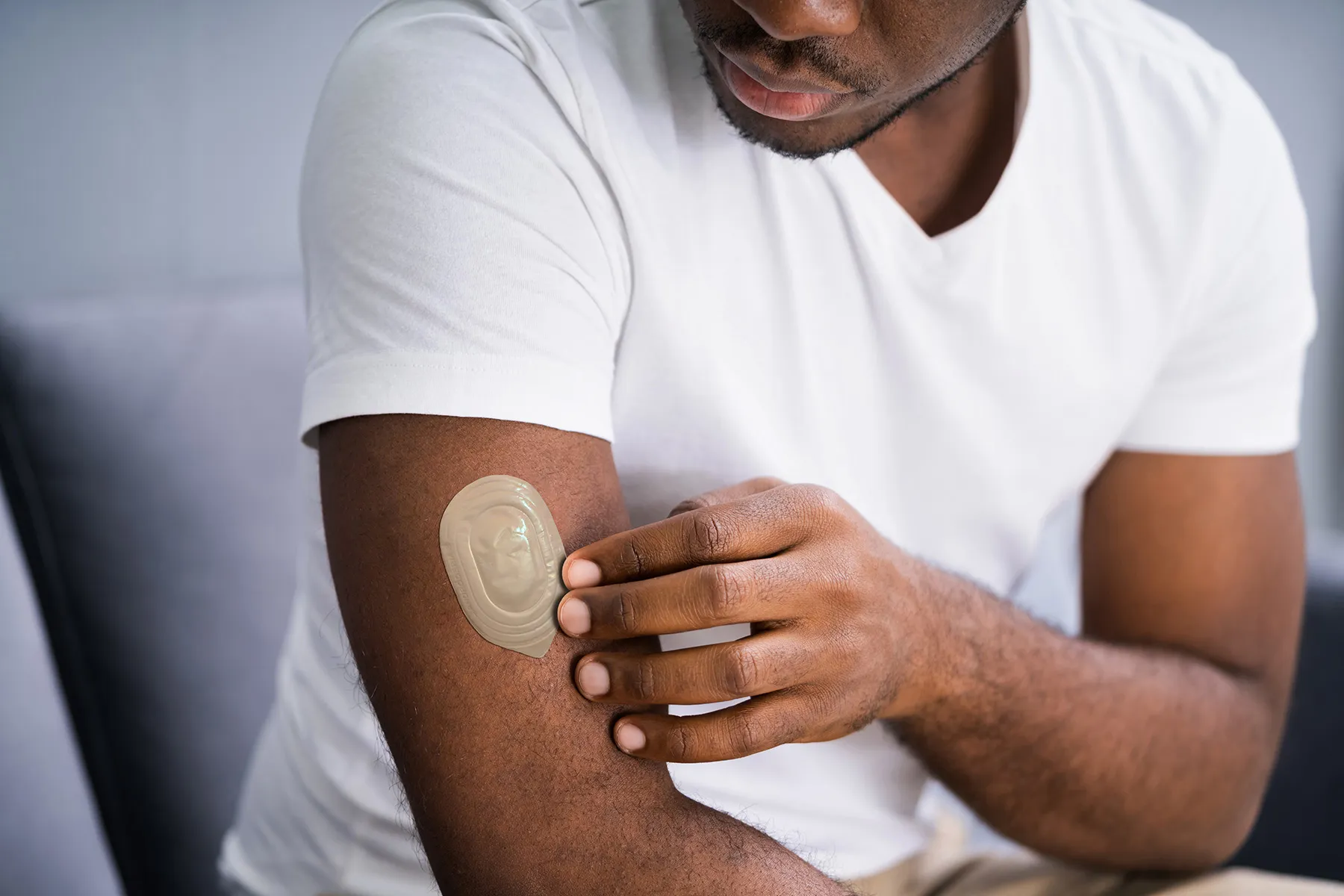
Testosterone replacement treats clinically confirmed male hypogonadism — symptoms plus repeatedly low morning testosterone — not a single borderline lab from an afternoon blood draw. Causes include primary testicular failure, pituitary/hypothalamic disease, ageing-related declines with careful selection, and medication or opioid effects. TRT can use injections, gels, or other supervised formulations; unsupervised online ‘TRT clinics’ without proper diagnosis risk infertility, erythrocytosis, and missed pituitary tumours.
Andrology evaluation in India pairs symptoms (libido, energy, erectile quality, mood, muscle, gynaecomastia) with labs: total testosterone, SHBG/free testosterone when needed, LH/FSH, prolactin, and blood counts. Fertility desire is decisive: exogenous testosterone suppresses spermatogenesis; men wanting children may need alternative strategies such as selective oestrogen receptor modulators or hCG under specialist care instead of standard TRT.
International patients should upload morning labs and a medication list before travel. A 3–5 day visit can confirm diagnosis, exclude contraindications (such as seeking unexplained PSA rises), and start supervised therapy with a monitoring plan for home.
Morning total testosterone below guideline thresholds on repeated tests, with symptoms, supports deficiency diagnosis; grey-zone results may need free testosterone estimation. High SHBG, obesity, and illness confuse interpretation. Pituitary MRI enters the pathway when LH/FSH patterns or prolactin/visual symptoms suggest secondary hypogonadism — that discovery can be more important than starting gel.
Answer-first: structured TRT evaluation and treatment start in India commonly costs about $300–$1,500 USD with a 3–5 day outpatient stay. Ongoing medicine is extra. Fertility goals can make standard TRT the wrong first prescription.
Who TRT evaluation in India is for
Candidates have compatible symptoms and documented low testosterone on appropriate testing, or complex cases needing pituitary assessment. Men chasing athletic performance without deficiency are not appropriate TRT candidates.
Travellers often want a definitive workup after fragmented testing at home. Triage covers prostate history, sleep apnoea, fertility goals, and cardiovascular risk.
Men recovering from anabolic steroid abuse need specialised recovery protocols, not casual high-dose TRT. Older men with prostate histories need shared decision-making about monitoring intensity. Shift workers should time labs carefully — afternoon draws mislead.
- Morning testosterone results (ideally repeated)
- Clear statement of fertility plans
- PSA and haematocrit planning for age-appropriate men
- Plan 3–5 days in India for workup and therapy start
- Commitment to monitoring labs after return home
Process for international patients
Remote review determines whether confirmatory labs and endocrine/andrology consults are needed on arrival. Packages may include consults, labs, ultrasound if indicated, and initial medicine supply. Contraindications and monitoring intervals are documented before first dose.
Injection teaching or gel application counselling happens in clinic. You leave with a written schedule for haematocrit, testosterone levels, and symptom review.
TechdrHealth helps align prescriptions with what you can legally continue in your home country and shares summaries with your local physician.
Formulation choice weighs daily gel discipline versus injectable intervals, skin transfer risk, and local pharmacy continuity after you return home. Some countries restrict importation of testosterone products; your start-in-India plan must include a legal continuity path, not a suitcase full of undeclared vials.
Baseline haematocrit and age-appropriate PSA testing, when indicated, belong in the package discussion. Sleep apnoea screening questions should be routine before escalating doses.
Risks, complications, and mitigation
Risks include erythrocytosis, acne, oedema, sleep apnoea worsening, infertility while on TRT, potential prostate monitoring issues, and cardiovascular considerations that remain under active study and guideline debate. Gel transfer to partners/children is a household safety issue.
Mitigation means confirmed deficiency, fertility counselling, baseline PSA/haematocrit when indicated, and scheduled monitoring — not lifelong unsupervised self-injection.
- High red-cell mass (erythrocytosis)
- Suppressed sperm production
- Acne or fluid retention
- Worsened sleep apnoea
- Need to stop TRT if complications arise
Timeline and estimated stay in India
TRT start is outpatient. Estimated stay in India is typically 3–5 days for confirmatory testing, counselling, and first supervised doses. Symptom improvement can take weeks to months; do not expect instant transformation during the trip.
No surgical fit-to-fly issues apply for pure medical TRT visits. If injectable procedures or implants for ED are combined, follow those pages’ longer stay guidance.
Plan pharmacy supply for travel days and know how refills will work at home before you fly.
There is no surgical recovery, but symptom response is gradual: energy and libido changes may appear over weeks, body-composition shifts over months. Do not escalate doses yourself if week-one results feel subtle. Fit-to-fly is unrestricted for medical TRT visits.
Cost of TRT evaluation and start in India for foreign patients
Indicative packages for workup and treatment initiation commonly fall around $300–$1,500 USD depending on lab depth, imaging, and medicine formulation. Long-term medicine costs continue after discharge and vary by country availability. USA directional ranges for comparable specialist starts often run $1,500–$6,000; UK and UAE private endocrine care also typically higher for unbundled pathways.
Clarify what labs and how many weeks of medicine are included. Exclusions include indefinite refills, pituitary MRI if later needed, and fertility treatments. Final quotes follow lab review.
Beware of cheap ‘testosterone tourism’ without monitoring plans — that is not the pathway partner hospitals support.
Compare India workup fees with fragmented private endocrine visits in the USA ($1,500–$6,000 directional) or UK/UAE clinics. The durable cost is monitoring plus medicine over years. A cheap induction without a monitoring letter is poor value.
Doctor credentials and hospital standards
Andrologists, endocrinologists, or urologists with male-hormone expertise and lab access are appropriate. Ask how they handle fertility preservation counselling.
TechdrHealth shortlists partner teams in major Indian metros for international patients.
Alternatives when fertility matters
Weight loss, sleep apnoea treatment, opioid reduction, and treating prolactin issues may raise testosterone naturally. For fertility, avoid standard TRT; discuss SERMs, hCG, or other specialist protocols instead.
ED can be treated without TRT when testosterone is normal — do not use hormones as a default erectile drug.
Clomiphene or hCG protocols may raise testosterone while supporting spermatogenesis in selected men under specialist care. Treating sleep apnoea, losing weight, and stopping opioids can lift testosterone without replacement. ED medicines remain appropriate when levels are normal.
How to prepare before you fly
Get morning labs if possible, list all supplements and anabolic steroid history honestly, and state fertility goals in writing. Arrange 3–5 day lodging near the clinic.
Check customs rules for carrying testosterone products home — regulations differ widely.
Pause biotin and disclose bodybuilding supplements that interfere with labs. Schedule morning blood draws on arrival. Decide fertility priorities in writing before the consult so counselling is not rushed.
Monitoring after you return home
Complete haematocrit and testosterone checks on schedule. Report ankle swelling, severe headaches, breathing pauses at night, or urinary changes. Do not double doses without advice.
Share the Indian discharge plan with your local doctor so monitoring is continuous.
If haematocrit rises, dose adjustment, donation protocols where legal, or formulation changes may be required — do not ignore lab emails. Partners should avoid gel contact areas. Reassess need for therapy periodically rather than assuming lifelong automatic refills.
International patients and city options (GEO)
Patients travel for testosterone replacement therapy from Nigeria, Kenya, Ghana, Uganda, Tanzania, the UAE, Saudi Arabia, Qatar, Oman, Kuwait, Bangladesh, the United Kingdom, and the United States when waits, device costs, or self-pay quotes at home are high. Partner andrology and urology teams in Hyderabad, Delhi NCR, Mumbai, Chennai, and Bangalore combine English-speaking international desks with transparent USD package outlines.
Plan an India stay of about 3–5 days unless your surgeon clears a shorter or longer buffer. Factor medical-visa invitation letters, attendant lodging near campus, and fit-to-fly clearance into the calendar before you buy non-refundable tickets. TechdrHealth coordinates remote report review, hospital shortlists, and discharge documents for your home clinician.
Travellers from the Middle East, Africa, UK, and USA use Indian andrology/endocrine teams for confirmatory diagnosis when home clinics feel dismissive or purely commercial. Choose centres that document monitoring for your home physician.
Testosterone Replacement Therapy cost: India vs other countries
Typical package ranges in USD for international patients. Final quotes follow medical review.
India
Baseline
$300–$1,500
USA
~4.2× higher
$1,500–$6,000
UK
~2.4× higher
$800–$3,500
UAE
~2.1× higher
$700–$3,000
Partner hospitals for testosterone replacement therapy
Accredited hospitals we coordinate for international patients. Final hospital matching depends on your reports, timing, and clinical fit.
Max Healthcare Delhi
Delhi · NABH
Max network hospitals in Delhi NCR for oncology and multi-specialty medical tourism packages.
View hospital →Olive Hospitals
Hyderabad · NABH
Hyderabad multi-specialty hospital partner for domestic and international patients, with TechdrHealth-coordinated admission and package support.
View hospital →TX Hospitals
Hyderabad · NABH
Hyderabad tertiary-care partner hospital for surgical and critical care pathways coordinated by TechdrHealth.
View hospital →
Why choose India for testosterone replacement therapy
TechdrHealth coordinates care across accredited partner hospitals with end-to-end support for visa, travel, and recovery.
- MOUs with 200+ Hospitals Across India
- 30+ Dedicated Care Coordinators
- JCI & NABH Partner Network
- End-to-End Patient Coordination
Procedure steps & recovery
Recovery: Outpatient workup; plan 3–5 days in India
- 1Share morning testosterone labs, symptoms, and fertility plans for remote review
- 2Receive evaluation pathway and package estimate for labs, consults, and therapy start
- 3Arrive for confirmatory testing and andrology counselling
- 4Start supervised TRT if indicated, or fertility-preserving alternatives
- 5Monitoring schedule and medicine continuity plan before travel home
Visa assistance for testosterone replacement therapy
We help international patients secure India medical visas — including hospital invitation letters and guidance for attendant visas — so travel planning stays aligned with your treatment dates.
Step 1
Share medical reports
Send scans, ultrasound, or surgical notes via WhatsApp so we can match a hospital and prepare your invitation letter.
Step 2
Hospital invitation letter
The partner hospital issues an appointment or invitation letter required for the India medical visa or e-visa channel.
Step 3
Apply & attendant visas
Submit passport, photos, medical documents, and the invitation letter. Family attendant visas can be filed alongside yours.
Step 4
Travel & admission
Once the visa is issued, we help with flights guidance, airport pickup, and hospital admission coordination in India.
Frequently Asked Questions
Workup and treatment-start packages commonly range about $300–$1,500 USD. Ongoing medicine costs continue after discharge and vary by country.
Testosterone Replacement Therapy for international patients
Country guides covering visa, cost planning, and hospital matching for testosterone replacement therapy in India.
We’re here to help
Get a free Testosterone Replacement Therapy estimate
Share your reports and we’ll coordinate hospital options, written package costs, visa invitation letters, and travel support — usually within 24–48 hours.